
Why Australia's Freelancers Are Turning to Eco-Conscious Tools
Eco-Conscious Tools Gaining Popularity
As a makeup artist in Melbourne, embracing eco-friendly tools is as essential as choosing between the vibrant displays at NGV International. The rise in cast iron sets of cookware reflects a growing passion for sustainable practices. Like me, freelancers and creatives are becoming more mindful of their environmental footprint and eagerly exploring tools that align with sustainable values.
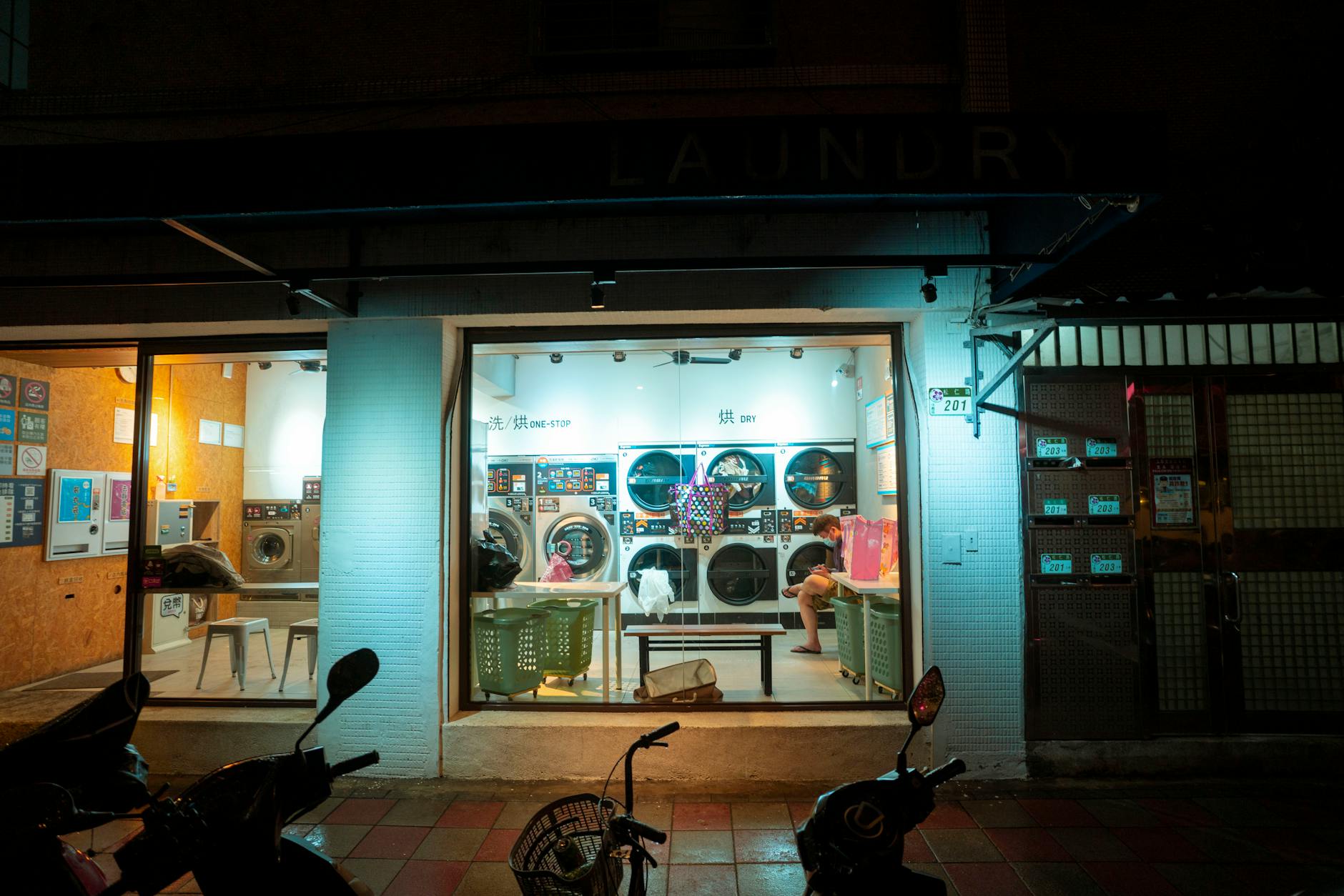
For those who are always on the go, such as travel bloggers capturing stories around Bondi Beach, products like the best camping fridge are indispensable. These smart picks enhance adventures and are eco-conscious, merging functionality with conservation. Whether it's a compact washer or sturdy cookware, choosing the best washer brand ensures that every selection contributes to a greener lifestyle.
The connection between eco-consciousness and a creative career reaches beyond just tools; it shapes content that resonates deeply with audiences seeking genuine and sustainable narratives. Drawing inspiration from the natural beauty of the Royal Botanic Gardens helps integrate nature into creative works, fostering a sense of responsibility toward preserving our world.
By opting for eco-conscious tools and products, freelancers not only make a personal statement but also inspire others within their communities. Whether sourcing unique materials from Queen Victoria Market or weaving eco-principles into digital storytelling, the choices we make today contribute to a more sustainable creative industry.
Benefits of Eco-Friendly Tools
Enhancing Creativity and Innovation
Using eco-friendly tools can spark creativity and innovation, especially in a city brimming with inspiration like Melbourne. I often find myself wandering the paths of the Royal Botanic Gardens, where the harmony of natural beauty fuels fresh ideas. Eco-conscious tools often integrate sustainable materials and innovative designs, prompting unique uses and inspiring fresh content ideas. Whether it's a sleek electric fryer small for creating gourmet meals during travel, or innovative kitchen gadgets with minimal environmental impact, these tools encourage experimentation and creativity.
Aligning with Personal Values
Embracing eco-friendly materials aligns with our values. Just as I carefully select unique, sustainable items from the Queen Victoria Market, eco-conscious tools need to reflect ethical standards. This not only helps in reducing our carbon footprint but also resonates with the belief in preserving our planet. Using sustainable tools, like opting for Westinghouse free standing ovens that reduce energy consumption, helps us stay connected to these values, reinforcing the authenticity of our content.
Engaging Authentic Audiences
Using eco-friendly tools can also forge genuine connections with an audience that appreciates sustainability. Sharing personal anecdotes about discovering new, eco-conscious gear or a full boar pressure washer that minimizes water waste can engage followers who value environmental responsibility. This fosters a community that supports and amplifies authentic narratives rooted in real-world impact.
Eco-Conscious Accessories for Creatives
As a makeup artist in Melbourne with a passion for sustainable choices, I'm always on the lookout for tools that blend eco-friendly practices with everyday functionalities. For instance, I’ve recently discovered the benefits of a Panasonic blow dryer. It's energy-efficient and made with sustainable materials, saving power without compromising on performance. It inspires creativity, akin to the natural aesthetics at the Royal Botanic Gardens, which often influence my work.
When it comes to setting up my studio or testing new products for my clients or content, I’ve found that a TV wall mount bracket can be particularly handy. It optimizes space without cluttering the environment, allowing for more freedom to create and display more art around my workspace. This functional design reflects the innovative exhibitions I frequent at the NGV International, encouraging me to incorporate minimalist, sustainable choices into my work and home.
Using these accessories, I not only enhance my creative space but also stay committed to sustainable practices. This approach aligns well with my appreciation for unique and eco-conscious products, such as those sourced from Queen Victoria Market. By integrating these elements into my routine, I’ve discovered new ways to spark ideas and maintain authenticity, ultimately connecting more genuinely with my audience.
Best Practices for Freelancers
Selecting the Right Tools
When sifting through an array of kitchen appliances and home gadgets, it's essential to know what aligns both with sustainability goals and your personal lifestyle. For instance, induction pans have emerged as a popular choice among eco-conscious foodies. They offer rapid heating with less energy, making them ideal for quick, eco-friendly meals. Imagine whipping up a quick breakfast using an induction pan as you prepare for your next travel blog update. Meanwhile, wood cutting boards are not only aesthetically pleasing but also a sustainable choice. Their durability and natural antibacterial properties make them a staple in kitchens.
By integrating such tools into daily life, you're not only enhancing your culinary experiences but also reflecting a commitment to reducing environmental impact. Taking inspiration from Melbourne's vibrant eco-friendly scene, incorporating these choices can elevate home aesthetics and functionality. Furthermore, such decisions resonate well with audiences seeking to shift towards sustainable living.
Online platforms like Instagram and TikTok serve as excellent arenas to showcase these eco-friendly gadgets, allowing you to share tips and tricks with your followers. As you experiment and share your experiences, you’re not just promoting products but building an authentic connection with like-minded individuals. You’re fostering a community that appreciates and encourages conscious consumerism.
Eco-Practices in Action
Balancing Costs with Sustainability
As a creative freelancer in Melbourne, balancing budget constraints with eco-friendly choices can be tricky, much like mixing the perfect shade of foundation for a client. Fortunately, Melbourne's Queen Victoria Market often carries sustainable tools and materials that won't break the bank. I remember sourcing beautiful biodegradable glitter there, adding a brilliant shimmer to my work with a clear conscience. When considering eco-sustainable tools, remember that initial investments might be higher, but they often save money in the long run due to durability and the added value they bring to your brand image.
Staying Ahead of Greenwashing
Navigating the murky waters of greenwashing companies can be as challenging as finding a lasting lipstick that doesn't bleed. Many brands claim sustainability, but how do you sift through the noise? I always recommend checking product certifications and researching brand origins. During a visit to the NGV International, I learned about innovative design practices that prioritize authenticity and environmental responsibility. This experience taught me to scrutinise product labels closely and look for genuine sustainability certifications, which is crucial in a market flooded with claims.
Overcoming Availability Hurdles
It can be frustrating when eco-friendly resources are hard to come by—something I often encounter sourcing natural tones from the Royal Botanic Gardens' seasonal palettes. One approach is to stock up when you find sustainable goodies or explore digital platforms designed with sustainable platform features in mind. Online marketplaces are increasingly featuring artisans who incorporate recycled or sustainable materials. Embrace these communities, support their efforts, and you'll be pleasantly surprised by the unique finds you can include in your creative process.